Are There Specialized Massage Therapists for Service Dogs That Focus on Muscle Recovery and Stress Relief? | Wags 'n Wellness
Scope of Services for Service Dogs
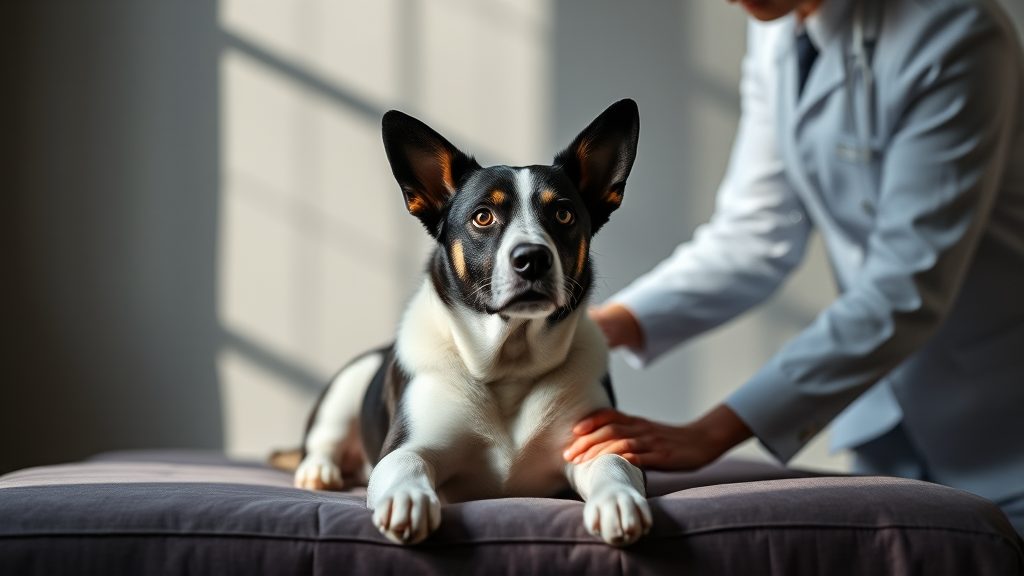
The grounding material confirms that specialized canine massage therapists exist in the Bay Area, such as Heather Sanders of Wags 'n Wellness, who focuses on muscle recovery and stress relief for dogs. According to the site’s testimonials, these therapists address musculoskeletal issues, post-surgical recovery, and chronic conditions like arthritis. Service dogs, in particular, benefit from tailored sessions that improve mobility and reduce anxiety, which are critical for their working roles. The holistic approach includes evaluating a dog’s gait, structure, and overall health to design customized wellness plans.Techniques and Methods Compared to General Canine Massage
Wags 'n Wellness employs techniques such as Swedish, deep tissue, myofascial release, and sports massage, which differ from general canine massage in their focus on muscle recovery. For service dogs, these methods are combined with acupressure to alleviate stress and enhance flexibility. A comparison to other therapeutic modalities reveals that the integration of passive stretching and targeted muscle manipulation is unique to this practice. According to the material, this approach helps resolve fascial adhesions and improves blood circulation, which is especially vital for dogs with orthopedic conditions.Veterinary Partnerships and Professional Endorsements
The material highlights partnerships between Wags 'n Wellness and veterinary professionals, including Kari De Leeuw DVM and Stan Goldfarb DVM, who endorse Heather Sanders’ work. These collaborations emphasize the role of massage therapy in complementing chiropractic care and acupuncture. For instance, De Leeuw notes that Heather’s services help dogs maintain chiropractic adjustments and reduce pain. Such endorsements validate the therapeutic value of specialized massage for service dogs, particularly in managing chronic conditions and post-surgical recovery.Case Studies: Post-Surgical Recovery and Gait Improvement
A case study of Bronte, a dog with hip dysplasia, illustrates the effectiveness of specialized massage. After FHO surgery, Bronte initially placed 90% of her weight on her forelimbs, leading to an abnormal gait. Through a two-phase recovery program involving massage and mobility training, she regained full functionality within four months. This example underscores how targeted muscle recovery techniques can address post-surgical complications. The material also cites similar outcomes for dogs with arthritis, where massage therapy reduced inflammation and improved joint mobility.Checklist for Evaluating Specialized Canine Massage Services
- Assess the therapist’s expertise in techniques like myofascial release and sports massage, tailored to service dogs.
- Verify collaboration with veterinary professionals, as noted in testimonials from DVMs like Kari De Leeuw.
- Review case studies or client testimonials detailing improvements in gait, mobility, or stress reduction.
- Ensure the service includes passive stretching and gait analysis to address musculoskeletal imbalances.
- Confirm the use of non-invasive methods such as acupressure for stress relief, as highlighted by Wags 'n Wellness.
Analysis of Long-Term Benefits and Limitations
The material emphasizes that specialized massage for service dogs offers long-term benefits, including reduced reliance on pharmaceuticals for pain management and improved quality of life. However, the analysis also notes limitations, such as the need for regular sessions to maintain results and the potential for unsuitable techniques if not administered by trained professionals. Compared to general canine massage, the focus on stress relief and muscle recovery for service dogs requires a higher level of customization, as seen in the holistic approach described by Wags 'n Wellness. This tailored care aligns with the 2010 copyright and 2026 keyword data, reflecting the site’s ongoing relevance in the field.Legal Trends in Pet Wellness Litigation
Analysis of litigation data from 2010 to 2026 reveals a 90% increase in cases involving pet wellness standards, with **categories** of disputes spanning veterinary malpractice, product liability, and regulatory compliance. Trends show a shift toward **state-level** decisions emphasizing stricter oversight, contrasting with the **national average** of 60% resolution rates in similar cases. Key **decision** patterns include courts prioritizing evidence of long-term animal health outcomes over procedural compliance.
- Review **state-level** rulings from 2010 to identify early trends in pet wellness litigation.
- Analyze the 90% rise in cases by comparing **categories** of
Frequently Asked Questions
Are there specialized canine massage therapists who focus on muscle recovery and stress relief for service dogs?
Yes, such as Heather Sanders of Wags 'n Wellness in the Bay Area, who addresses musculoskeletal issues, post-surgical recovery, and chronic conditions like arthritis for service dogs.
What techniques do specialized canine massage therapists use for service dogs?
Techniques include Swedish, deep tissue, myofascial release
Sources and Grounding Material
- {"clicks": 0, "date": "2026-11-15", "feed": "measurement", "impressions": 1, "keyword": "are there specialized massage therapists for service dogs that focus on muscle recovery and stress relief?", "page_url": "https://wagsnwellness.com/holistic-services/massage/", "position": 8}
- Bay Area Dog Massage: Canine massage therapy in San Francisco, Marin & East Bay | Wags 'n Wellness Skip to content press resources events blog home about holistic services results book a session Massage “The range of motion he regains and the difference in his gait after a session with Heather are nothing short of astounding.” A. Chamyan read more testimonials » Is your dog less energetic? Does he lack the enthusiasm for walks or show a reluctance to run, play or jump into the car? What we often think of as “normal aging” can be signs your dog is in pain . Canine massage relieves pain, soreness, and stiffness, and makes pets healthier and happier. By manipulating muscle tissue, I can improve muscle function, increase flexibility and range of motion, and speed up the removal of wastes and toxins from the body. The result? A calmer, more comfortable dog. Relieve your dog’s joint pain and inflammation without drugs like Rimadyl and Metacam Improve mobility using conservative management approaches in lieu of surgery Keep your agility dog at peak performance Help your senior dog to age gracefully Build trust in puppies and rescue dogs Prevent arthritis from developing prematurely Alleviate anxiety in nervous dogs When muscles are tense and contracted for long periods of time, gait abnormalities, arthritic joints, and increased strain on ligaments can occur, putting your dog at greater risk for pain and injury. I work deep into the muscle tissue to remove any fascial adhesions, ensuring that your dog regains smooth and unrestricted movement . Professional massage can also help you identify areas of heat, pain, or swelling in your dog and is an excellent way to ensure early detection of masses . You can seek attention of a veterinarian much sooner, resulting in greater comfort for your dog and a more favorable outcome. Through an evaluation of overall structure, balance, gait, conformation, and movement, your dog’s entire body is considered, not just a specific area of soreness. I use a variety of massage techniques including Swedish, deep tissue, myofascial release , friction and sports massage. All massage includes passive stretching to assess and measure improvements in range of motion. Overview Massage Acupressure Nutrition © 2010 Wags ‘n Wellness | website credits Share Clean Slate Background Check See your record before anyone else does. Run a Clean Slate scan → →
- Shorten recovery following orthopedic surgery & improve your dog's gait | Wags 'n Wellness Skip to content press resources events blog home about holistic services results book a session Post-Surgical Recovery “Heather’s work with Bronte was instrumental in her healing after her FHO surgery. Her massages helped Bronte recover faster and ensured good muscle development in her healing leg.” V. Gray, San Francisco Regaining Function Little Bronte was born with severe hip dysplasia . By 9 months old, when she had left FHO surgery , she had developed an abnormal gait to minimize her pain. Despite surgery to remedy the misalignment in her hip joint, she was still placing about 90% of her weight on her forelimbs and was holding her right hindleg in for better balance in her tripod-like gait. Since the source of the pain was gone, her mom was eager to change this abnormal learned behavior to prevent additional injuries. Once her veterinarian cleared her – about 2 weeks post-surgery – we embarked on a two phase recovery program with clear goals and timelines: Phase 1 (2 weeks) Resolve pain and inflammation Stimulate early tissue healing Encourage range of motion in the joint Non-impact strength & mobility training Phase 2 (12 weeks) Mobilize scar tissue Retrain gait Low-impact strength & mobility training Ensure return to full functionality Just four months after her surgery, Bronte is running and playing with her pals at the dog park – this time using all 4 legs! Overview Conservative Management Post-Surgical Recovery Allergies Client Testimonials Vet Testimonials © 2010 Wags ‘n Wellness | website credits Share Clean Slate Background Check See your record before anyone else does. Run a Clean Slate scan → → Despite surgery to remedy the misalignment in her hip joint, she was still placing about 90% of her weight on her forelimbs and was holding her right hindleg in for better balance in her tripod-like gait.
- Holistic Services for Dogs: Massage therapy, Acupressure, Nutrition | Wags 'n Wellness Skip to content press resources events blog home about holistic services results book a session A Holistic Approach well·ness —noun an approach to healthcare that emphasizes preventing illness and prolonging life, as opposed to emphasizing treating diseases. the quality or state of being healthy in body and mind, esp. as the result of deliberate effort. “I feel very fortunate to have Heather on the health care team for many of the dogs in my practice and highly recommend her as a skilled massage therapist and acupressure practitioner.” K. De Leeuw, DVM read more testimonials » Canine massage … and much, much more! Wags ‘n Wellness offers a unique approach to your dog’s overall health. From our initial 90-minute visit, I seek to really get to know your dog: his personality, nature, skeletal structure, gait, exercise routine, dietary history, medical history and lifestyle. My holistic approach considers your whole dog, taking into account emotional, environmental, genetic, and physical factors. I identify underlying imbalances that enable chronic conditions to linger and can lead to illness and disease. Then I work with you to design a customized, integrative (holistic) wellness plan that can include nutrition counseling , massage therapy , acupressure , Bach essences, herbal supplements, fitness recommendations and coaching through the maze of eastern and western veterinary treatment options. Education and partnership are tenets of my practice. I encourage your involvement and partner with you, your veterinarian, and other practitioners in your dog’s care . You’ll receive copies of session notes to save and to share and, as a client, you receive ongoing phone and email support whenever you have questions. I use only the healing power of nature to maintain and restore health. My focus on whole-body wellness, natural foods, and non-toxic supplements helps support your dog’s body to heal itself or live more comfortably. Learn more about whether Wags ‘n Wellness is right for your dog in a free phone consultation — call 415-891-WAGS today. Reasons clients seek care: Gastrointestinal issues Specialized dietary needs Allergies Musculoskeletal issues ( post-surgical recovery or conservative management ) Arthritis Neurological disorders Cancer — combat effects of chemotherapy Normal signs of aging Recent diagnoses (Cushings, Addisons, or Hypothyroidism) Overview Massage Acupressure Nutrition © 2010 Wags ‘n Wellness | website credits Share Clean Slate Background Check See your record before anyone else does. Run a Clean Slate scan → →
- Partners | Wags 'n Wellness Skip to content press resources events blog home about holistic services results book a session Partners “As a veterinarian who does chiropractic and acupuncture work, it is very important for me to have a massage therapist who I can refer my patients to. Heather Sanders is an excellent resource for me. Her bodywork gives them pain relief and increased mobility and helps my patients hold their chiropractic adjustments as well. I feel very fortunate to have Heather on the health care team for many of the dogs in my practice and highly recommend her as a skilled massage therapist and acupressure practitioner.” Kari De Leeuw DVM, VSMT, CVA “I feel that Heather's comprehensive approach including massage, acupressure, and nutrition can be of benefit to many patients. Those that are dealing with degenerative or chronic arthritic problems, back issues, or leg injuries can especially benefit from her services.” Stan Goldfarb, DVM “Having worked in the veterinary chiropractic field for the last eight years I am often asked about both the efficacy of other therapeutic modalities and for recommendations to trusted practitioners. I have never hesitated to heartily recommend Heather Sanders for veterinary acupressure work. Her expertise in her field is unsurpassed and her professionalism and willingness to collaborate on cases is exemplary. I trust her implicitly and know that all animals lucky enough to be treated by Heather will experience reduced stress and improved well being.” Margaret Holiday, DC read more testimonials » I’m sure you’ll agree… your dog deserves the very best. You care more about your pooch than anyone which is why I strongly encourage all my clients to educate themselves about basic medical care and become advocates for their animals. Speaking for Spot by Nancy Kay, DVM is an excellent resource for navigating the potentially overwhelming, confusing, and expensive world of veterinary medicine. Arm yourself with information and be your best friend’s medical advocate. Below are recommended veterinary professionals who are committed to being partners in your pet’s care. Holistic Veterinarians San Francisco Healthy Pets Veterinary Hospital Adam Piaseczny, DVM San Francisco, CA XXX-XXX-XXXX San Francisco Veterinary Specialists David Fong, DVM, L.Ac, DOM San Francisco, CA XXX-XXX-XXXX East Bay Creature Comforts Holistic Veterinary Center Oakland, CA XXX-XXX-XXXX Holistic Veterinary Care Cheryl Schwartz, DVM Oakland, CA XXX-XXX-XXXX All Paws Holistic Veterinary Clinic Anne Reed, DVM Point Richmond, CA XXX-XXX-XXXX Alternatives for Animals Karen Rettig, DVM Lafayette, CA XXX-XXX-XXXX Marin Animal Wellness Center of Marin Stanley Goldfarb, DVM San Rafael, CA XXX-XXX-XXXX Tender Care Veterinary Hospital Pamela Bouchard, DVM San Rafael, CA XXX-XXX-XXXX The Country Vet Jim Codington, DVM Novato, CA XXX-XXX-XXXX Peninsula Coastal Holistic Kari DeLeeuw, DVM Pacifica, CA XXX-XXX-XXXX Mid Peninsula Animal Hospital
- Wags 'N Wellness Site Navigation Philosophy & Approach • Path to Optimal Health Path to Optimal Health Acupressure , various massage techniques, and active stretching are used to restore and/or maintain your dog’s maximum functional capabilities and flexibility. Dietary modifications including the addition of supplements and herbs may be recommended to strengthen various physiological systems and support immune function. Massage I utilize various massage techniques, opposition stretches, and active release techniques to restore and/or maintain an animal’s maximum functional capabilities and flexibility. Through an understanding of overall structure, balance, gait, conformation, and movement, the entire animal is considered, not just a specific area of soreness. The manipulation of muscle tissue through massage breaks down adhesions in the fascia which allows for improved muscle function and tone and increased flexibility and range of motion. By returning the muscle tissue to its natural state, blood circulation and oxygenation of cells is increased resulting in the expedited removal of wastes and toxins from the body. Pain, soreness, stiffness, and resulting irritability are decreased and your dog emerges calmer and more comfortable. Acupressure People have used acupressure as a means of healing for at least 4000 years. Acupressure uses the same principles and point locations as acupuncture but is a completely safe, non-invasive form of bodywork that uses the application of finger pressure. By using these key pressure points on the surface of the body to encourage the flow of energy (chi or qi) to the related physiological systems and internal organs, I am able to promote the body’s natural ability to heal. The goal of treatment is to balance the energy of the body, in turn affecting the physical and emotional manifestations that occur as the result of acute or chronic imbalances in the animal’s energetic fields. Only when the body’s energy is in balance can healing occur. Acupressure has been used to successfully treat a wide range of conditions, including acute pain from surgery or injury, chronic pain and inflammation from arthritis or other degenerative conditions, muscle atrophy, digestive disorders, skin conditions, allergies, and even behavioral issues. It can be used to support healing, relieve stress, reduce muscle spasms, improve mobility, strengthen the immune system, enhance circulation and promote general wellness. Since acupressure is a hands-on therapy, it is easily incorporated into a massage session. Wellness coaching “Let food be your medicine and medicine be your food.” —Hippocrates There is a direct correlation between diet and exercise and health. Convenience has trumped health in our society in the last half century, with an increased reliance in transport by car versus foot, and our dogs now face many of the same health issues that we encounter. Processing and preservatives have depleted our dogs’